
Green House
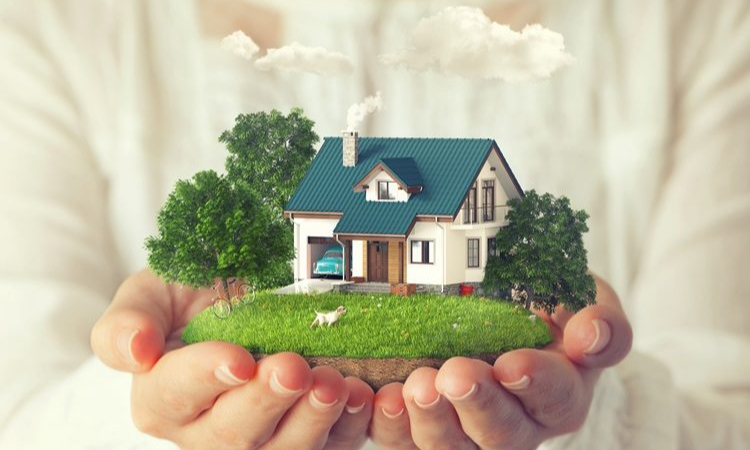
🌿 What Is a Greenhouse?
A greenhouse is a structure made of transparent materials like glass or plastic that allows sunlight to enter and trap heat inside. This creates a warm, controlled environment for growing plants throughout the year.
☀️ How a Greenhouse Works
Sunlight enters through the transparent walls and roof
Heat is absorbed by plants, soil, and surfaces inside
Warm air is trapped, keeping the inside temperature higher than outside
Ventilation systems help control heat and humidity
🌱 Types of Greenhouses
Glass Greenhouse – Durable, excellent light transmission
Plastic Greenhouse – Affordable and lightweight
Polyhouse – Common in commercial farming
Tunnel Greenhouse – Simple structure for seasonal crops
Dome Greenhouse – Strong and energy-efficient design
🌼 Uses of a Greenhouse
Growing vegetables, fruits, and flowers
Nursery and plant propagation
Protecting plants from pests and harsh weather
Year-round cultivation
Research and plant breeding
✅ Advantages of a Greenhouse
Controlled temperature and humidity
Higher plant growth and yield
Protection from rain, wind, frost, and pests
Efficient water and fertilizer use
Off-season crop production
⚠️ Disadvantages
High initial setup cost
Requires regular maintenance
Risk of overheating without proper ventilation
Needs technical knowledge for best results
🌍 Importance of Greenhouses
Greenhouses help increase food production, support sustainable agriculture, and allow farmers to grow crops even in unfavorable climates.
If you want, I can also help with greenhouse advantages & disadvantages, greenhouse farming in India, or a short definition for exams 🌱
Green house Adventure
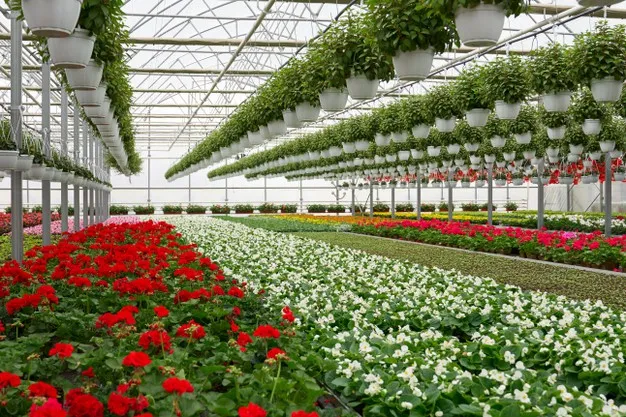
What is Greenhouse Adventure?
A Greenhouse Adventure is an immersive experience that combines greenhouse farming with learning, exploration, and enjoyment. It allows visitors to step inside a controlled plant environment and discover how plants grow, thrive, and are cared for using modern techniques.
Key Features of a Greenhouse Adventure
🌱 Wide variety of plants – flowers, vegetables, herbs, and exotic plants
🌡️ Controlled climate – temperature, humidity, and light are managed for healthy growth
🚶 Walk-through experience – explore plant sections up close
📚 Educational value – learn about plant care, sustainable farming, and eco-friendly practices
📸 Nature-friendly attraction – great for photography and relaxation
Benefits
Promotes environmental awareness
Encourages sustainable agriculture
Offers a peaceful, nature-rich experience
Ideal for students, families, and plant lovers
Uses
Educational tours
Eco-tourism attraction
Plant exhibitions and workshops
Inspiration for home gardening
If you want, I can also help you with:
SEO-friendly content for a website
Short description for posters or brochures
Greenhouse adventure activities list
Types of Greenhouse
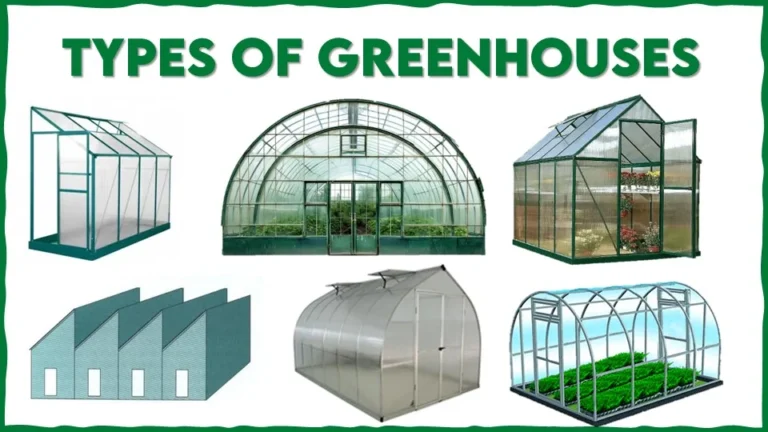
Types of Greenhouses
1. Based on Structure
a) Lean-to Greenhouse
Built against a wall or existing building
Saves space and cost
Uses heat from the building
b) Even-Span Greenhouse
Free-standing with equal roof slopes
Most common type
Suitable for large-scale cultivation
c) Uneven-Span Greenhouse
Roof slopes are unequal
Ideal for hilly or uneven land
d) Ridge and Furrow Greenhouse
Several greenhouses joined together
No internal walls
Used for commercial farming
e) Quonset Greenhouse
Semi-circular shape
Simple and low-cost
Easy to construct
2. Based on Covering Material
a) Glass Greenhouse
High light transmission
Long-lasting
Expensive and heavy
b) Polyethylene Greenhouse
Covered with plastic film
Low cost
Widely used in India
c) Polycarbonate Greenhouse
Strong and durable
Better insulation
Medium cost
3. Based on Temperature Control
a) Naturally Ventilated Greenhouse
Uses natural air flow
Low energy cost
Suitable for mild climates
b) Climate-Controlled Greenhouse
Temperature, humidity, and CO₂ controlled
High yield and quality
High initial investment
4. Based on Use
a) Commercial Greenhouse
For large-scale crop production
Used for vegetables, flowers, fruits
b) Research Greenhouse
Used in laboratories and universities
For plant experiments
c) Hobby Greenhouse
Small size
For home gardening
5. Based on Shape
a) Gable Greenhouse
Traditional house-like structure
Good ventilation
b) Dome Greenhouse
Round shape
Energy efficient
If you want, I can also:
simplify this for school notes,
prepare exam-ready answers, or
tailor it for Indian agriculture / polyhouse farming 🇮🇳🌿
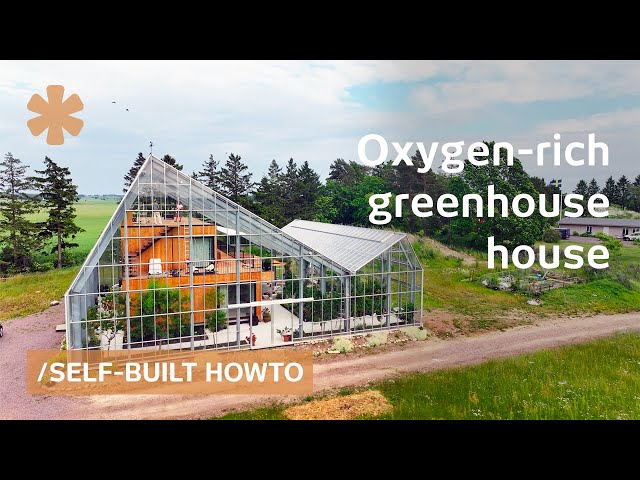
An oxygen-rich greenhouse is a specially designed plant house that contains a high number of green, oxygen-producing plants. These greenhouses improve air quality, support healthy plant growth, and create a fresh, natural environment.
What Makes a Greenhouse Oxygen-Rich?
Large number of green plants
Plants with high photosynthesis rates
Proper sunlight, ventilation, and humidity
Controlled temperature and moisture
How It Works
Plants absorb carbon dioxide (CO₂) and release oxygen (O₂) through photosynthesis. In a greenhouse, this process is enhanced because:
Sunlight is optimized
Plants grow faster and healthier
Oxygen production increases naturally
Common Oxygen-Producing Plants
Areca Palm
Snake Plant
Money Plant (Pothos)
Peace Lily
Spider Plant
Rubber Plant
Bamboo Palm
Benefits of an Oxygen-Rich Greenhouse
🌿 Improves air quality
🌬️ Increases oxygen levels
🧠 Reduces stress and improves mental health
🌱 Promotes healthy plant growth
🌍 Eco-friendly and sustainable
🏡 Ideal for homes, schools, hospitals, and offices
Uses
Indoor and outdoor greenhouses
Urban homes and apartments
Educational institutions
Wellness centers and hospitals
Plant nurseries and eco-parks
Conclusion
An oxygen-rich greenhouse is a natural way to create a healthy, fresh, and eco-friendly environment. It supports both human well-being and plant sustainability, making it a smart choice for modern green living.