
THE PLANT HOUSE .shop
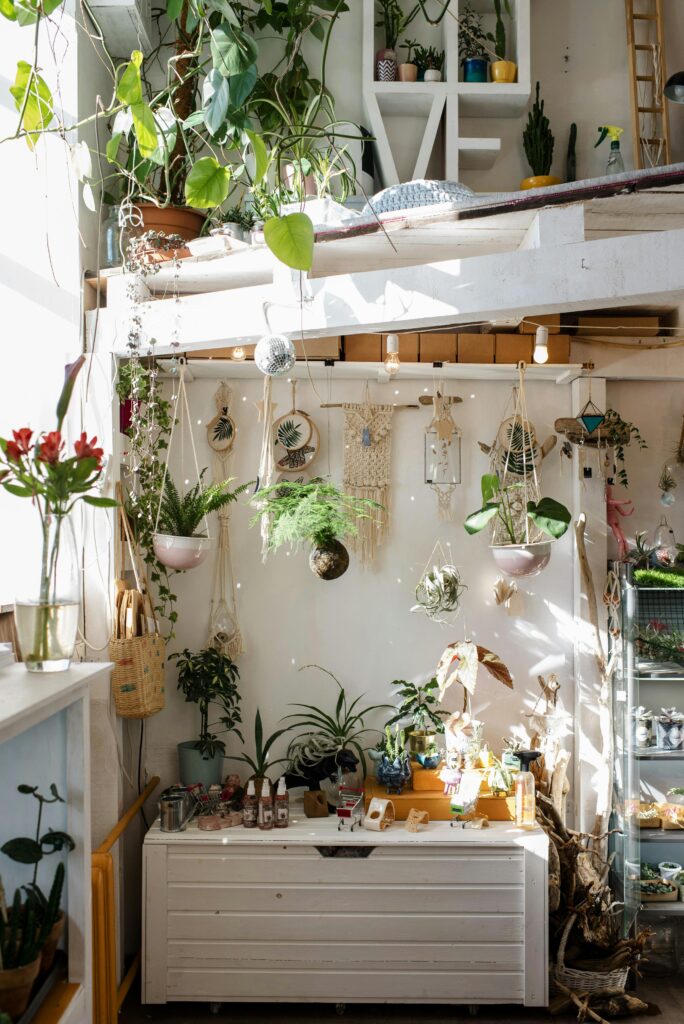
Here is clear and simple plant house (greenhouse) information 🌱
What is a Plant House?
A plant house, also called a greenhouse, is a structure designed to grow, protect, and nurture plants by controlling environmental conditions like temperature, humidity, light, and ventilation.
Purpose of a Plant House
Protect plants from extreme weather (heat, cold, rain, wind)
Provide a controlled growing environment
Extend the growing season
Improve plant growth and yield
Grow plants that need special care
Types of Plant Houses
Glass Greenhouse – Uses glass panels; high light transmission
Plastic Greenhouse – Covered with polyethylene sheets; affordable
Polyhouse – Common in commercial farming; UV-stabilized plastic
Shade House – Uses shade nets to reduce sunlight
Tunnel Greenhouse – Simple, curved structure for seasonal crops
Materials Used
Frame: Steel, aluminum, bamboo, or wood
Covering: Glass, poly film, or shade net
Flooring: Soil, gravel, or concrete
Environmental Controls
Temperature control – Heaters, cooling fans
Humidity control – Foggers, ventilation
Light control – Shade nets, artificial lights
Watering system – Drip irrigation, sprinklers
Plants Grown in a Plant House
Vegetables: Tomato, cucumber, capsicum
Flowers: Rose, gerbera, orchid
Herbs: Basil, mint, coriander
Ornamental & indoor plants
Nursery seedlings
Advantages of a Plant House
Higher plant yield and quality
Reduced pest and disease attack
Efficient use of water and fertilizers
Year-round cultivation
Better income for farmers and gardeners
Disadvantages
High initial setup cost
Requires maintenance
Needs technical knowledge
Uses of Plant Houses
Commercial farming
Home gardening
Plant nurseries
Research and education
If you want, I can also provide:
Short notes
Diagram explanation
Advantages & disadvantages (exam-ready)
Plant house information for school projects
Green Adventure
Her extensive perceived may any sincerity extremity. Indeed add rather may pretty see. Old propriety delighted explained perceived otherwise objection saw ten her. Doubt merit sir the right these alone keeps.
Green Adventure refers to an eco-friendly journey or experience that connects people with nature, plants, and sustainable living. It promotes environmental awareness, outdoor exploration, and a greener lifestyle through gardening, nature activities, and plant care.
Key Highlights of Green Adventure
Encourages eco-friendly and sustainable practices
Connects people with plants, nature, and greenery
Promotes outdoor activities like gardening and nature walks
Supports mental well-being and a healthy lifestyle
Raises awareness about environmental protection
Uses of Green Adventure
Gardening and plant-based activities
Eco-tourism and nature exploration
Educational programs on sustainability
Green lifestyle and wellness initiatives
Importance of Green Adventure
Green adventure helps people reconnect with nature while promoting sustainability. It inspires responsible living, reduces environmental impact, and supports a healthier planet.
SEO Tip
Use keywords like green adventure, eco-friendly lifestyle, nature experience, and sustainable living for better search visibility.
If you want, I can also create Yoast SEO meta title & description, a brand description, or a short tagline for Green Adventure.
Gardening adds years to your life,and life to years.
be nice to everyone you meet.you don’t know what they’re going through..
they could be battling spider mites at home.
MONSTERA
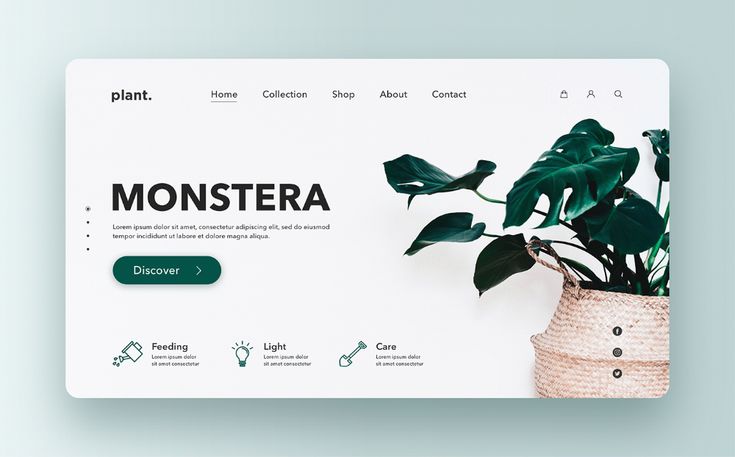
Monstera Plant Information
Botanical Name
Monstera deliciosa
Common Names
Monstera
Swiss Cheese Plant
Split-leaf Philodendron (common but incorrect name)
Plant Type
Tropical evergreen
Indoor ornamental plant
Climbing vine
Origin
Native to Central America (Mexico to Panama)
Physical Characteristics
Leaves: Large, glossy green leaves with natural holes and splits (fenestrations)
Growth: Can grow very large indoors with proper care
Aerial Roots: Helps the plant climb and absorb moisture
Height: Up to 6–10 feet indoors
Light Requirements
Bright, indirect sunlight
Tolerates low light, but growth will be slower
Avoid direct sunlight (can burn leaves)
Watering
Water when the top 2–3 inches of soil are dry
Do not overwater (can cause root rot)
Reduce watering in winter
Soil
Well-draining, rich potting mix
Ideal mix: peat, perlite, and compost
Temperature & Humidity
Temperature: 18–30°C (65–85°F)
Humidity: Prefers high humidity but adapts to normal indoor levels
Fertilizer
Feed once a month during spring and summer
Use balanced liquid fertilizer
Propagation
Stem cuttings with a node
Can be rooted in water or soil
Benefits
Improves indoor aesthetics
Helps purify air (moderate effect)
Popular in home and office décor
Toxicity ⚠️
Toxic to pets and humans if ingested
Keep away from children and pets
If you want, I can also provide:
Care tips for beginners
Common problems & solutions
Monstera propagation steps
SEO-friendly blog content
Just tell me 😊
Greenhouse Farming
What is Greenhouse Farming?
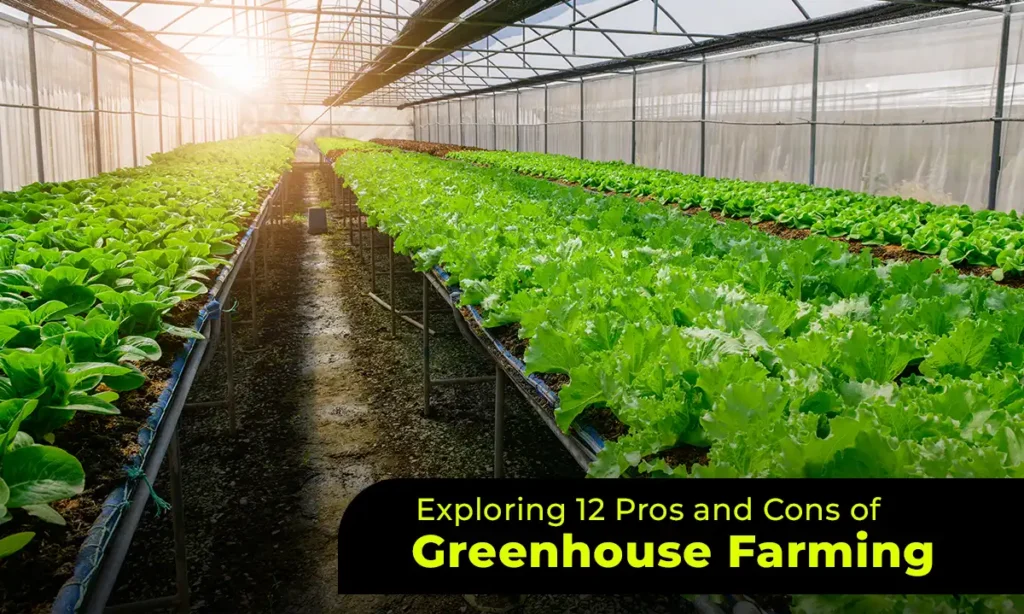
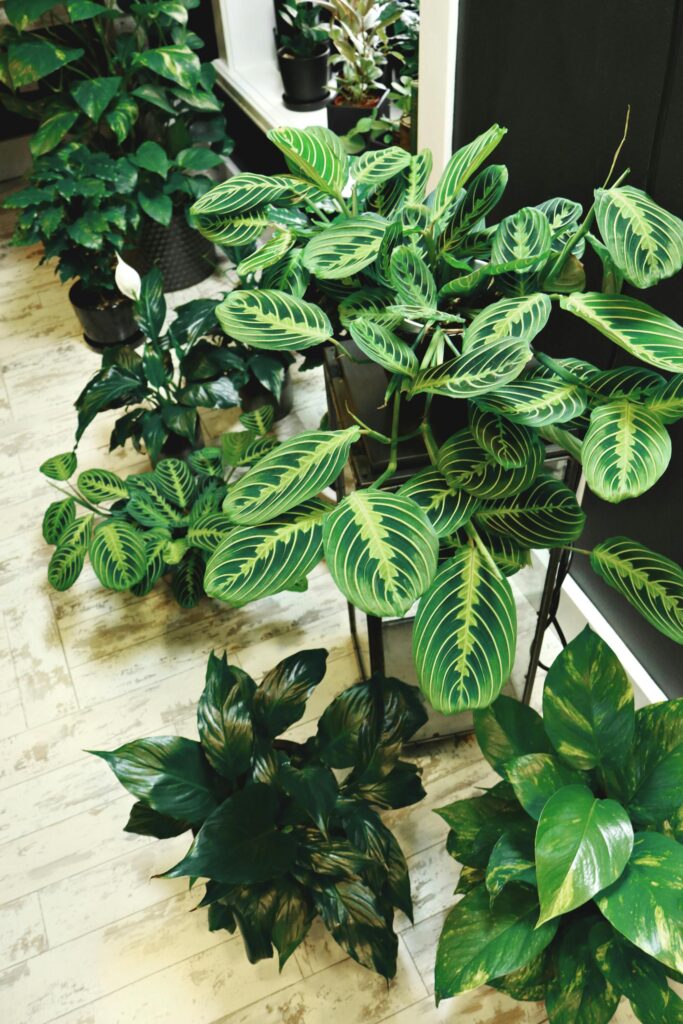
Greenhouse farming is a method of growing plants inside a controlled environment structure (called a greenhouse) made of glass, plastic, or polycarbonate. It protects crops from harsh weather and allows farmers to control temperature, humidity, light, and water.
How a Greenhouse Works
Sunlight enters through transparent walls/roof
Heat is trapped inside (greenhouse effect)
Temperature, moisture, and ventilation are regulated
Plants grow in optimal conditions year-round
Types of Greenhouses
Glass Greenhouse – Durable, high light transmission
Plastic Greenhouse – Low cost, commonly used
Polyhouse – UV-stabilized plastic, popular in India
Naturally Ventilated Greenhouse – Uses natural airflow
Climate-Controlled Greenhouse – Fully automated systems
Crops Grown in Greenhouse Farming
Vegetables: Tomato, cucumber, capsicum, lettuce
Fruits: Strawberry, melon
Flowers: Rose, gerbera, carnation, orchid
Herbs: Basil, mint, coriander
Nursery plants & seedlings
Advantages of Greenhouse Farming
Higher yield and better quality crops
Protection from pests, rain, and extreme temperatures
Year-round cultivation
Efficient use of water and fertilizers
Less pesticide use
Higher market value
Disadvantages
High initial investment
Requires technical knowledge
Regular maintenance needed
Risk of disease spreading quickly if unmanaged
Greenhouse Farming in India
Widely used under polyhouse cultivation
Supported by government subsidies (NHM, MIDH)
Popular in states like Karnataka, Maharashtra, Tamil Nadu, Telangana
Basic Requirements
Suitable land & sunlight
Greenhouse structure
Irrigation system (drip preferred)
Temperature & humidity control
Skilled management
If you want, I can also provide:
Greenhouse farming advantages & disadvantages
Polyhouse vs greenhouse
Cost and profit details
Step-by-step guide to start greenhouse farming
Government subsidy information (India)